The Vague Tweet That Just Cost Google Billions
Let’s get one thing straight. The “news” that sent Alphabet’s stock tumbling 4% wasn’t news. It was a ghost story told around a digital campfire. Sam Altman, the high priest of OpenAI, posts some cryptic nonsense on social media about a new product he’s “quite excited about!” and suddenly, Wall Street collectively wets its pants. Billions of dollars in shareholder value, gone. Poof. Because of a vibe.
This is the world we live in now. Not one of substance, but of suggestion. OpenAI didn’t launch a browser. They didn't even announce a browser. They just hinted at it, letting the ravenous speculation machine do the heavy lifting. And the market, ever the genius, decided this phantom product was a direct shot at the heart of Google's empire. This whole episode feels like trying to read a secret message on a webpage that just screams "Access to this page has been denied." You know something is happening behind the curtain, but you’re not allowed to see it. You just get to see the fallout.
The immediate panic is almost comical. For years, we’ve been begging for a real challenger to Chrome, a browser that has slowly morphed from a sleek, fast tool into a memory-devouring beast that exists only to pipeline our personal data directly into Google's advertising machine. And now that a potential challenger whispers its own name from the shadows, the system that built Google into a monolith shudders in fear. What does it say about the stability of our tech infrastructure when a single, vague post can trigger a multi-billion dollar shockwave? Are these companies titans of industry, or are they just incredibly fragile houses of cards built on our collective attention?
An Empire Built on Yesterday's Monopoly
The timing of this is just… perfect. It was only this past summer that the judge in the big antitrust case against Google basically threw up his hands and decided not to bring the hammer down. The reason? The potential for new threats from AI. This is a bad idea. No, 'bad' doesn't cover it—this is a five-alarm dumpster fire of regulatory cowardice. The government’s official stance is now, apparently, that we don’t need to regulate a monopoly because maybe, just maybe, another, newer monopoly will come along to sort it out for us.
Give me a break. This isn't a strategy; it's an abdication of responsibility. It’s like seeing a wolf in your house and deciding not to do anything about it because you heard a bear might be moving into the neighborhood.
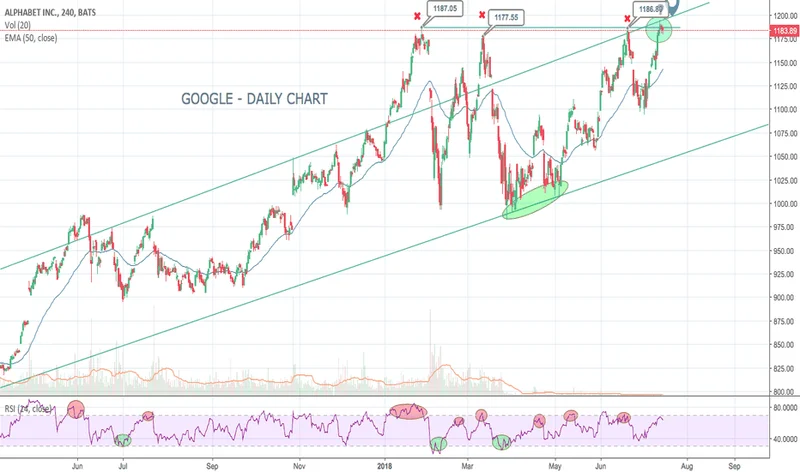
And while the market panics, the so-called experts are telling you everything is fine. Wall Street analysts—37 of them, no less—are still slapping a “Strong Buy” rating on Google’s stock. It’s the ultimate disconnect. The ground is shaking, a legitimate threat to Google's core search business is materializing, and the guys in suits are calmly telling you to keep pouring your money in. These are the same people who’d tell you a five-course meal was being served on the Titanic an hour after it hit the iceberg. Who are we supposed to believe, the panicked sprinting of capital or the soothing, PR-approved analyst reports? Offcourse, they have their own interests.
The truth is, Google has been begging for a competitor to knock it off its perch. Not because it wants competition, but because its products have grown stagnant and user-hostile under the suffocating weight of its own ad business. The AI war isn't just about who can build the smartest chatbot. It's a war for the future of information itself. It's a battle to control the very window through which we see the digital world. And for what? A slightly better way to get ads for things we don't need...
Then again, maybe I'm the crazy one here. Maybe a world where we trade one data-hoovering overlord for another is what progress actually looks like.
Pick Your Poison
Let's be brutally honest. An OpenAI browser, likely called "ChatGPT Atlas" or some other equally grandiose name, isn't going to set us free. It's just a changing of the guard. We're being offered a choice between the aging king who knows all our secrets because he reads our mail, and the ambitious young prince who knows all our secrets because he listens to our thoughts. This isn't a revolution for the user. It's a palace coup. The war isn't for our benefit; it's for the throne. And no matter who wins, we're still the peasants.