So, Chipotle’s stock just took a 13% nosedive. The C-suite suits are out there talking about "macroeconomic pressures" and "sluggish consumer environments." Give me a break. Let me translate that for you from corporate jargon into plain English: People are broke, and a $15 burrito is no longer an "affordable luxury." It's just expensive.
The quote that really gets me is from CEO Scott Boatwright. He says, regarding the customers who are visiting less, "We're not losing that customer. They're just coming less often."
I had to read that twice. That’s like saying, "I'm not breaking up with you, I'm just never going to see you again." It's a masterclass in corporate doublespeak. What, precisely, is the functional difference between losing a customer and having them stop giving you money? Is there some secret loyalty punch card I don't know about where you still get credit for thinking about buying a burrito? This isn't a philosophical debate; it's a balance sheet. And right now, Chipotle's is bleeding.
For years, the company has operated inside a bubble of invincibility. They were the cool kids of fast food, the "fast-casual" pioneers who could charge more because they offered "food with integrity." They were insulated from the problems at McDonald's or Taco Bell because their customers were supposedly higher-income. They were recession-proof.
Turns out, they weren't. They just had a longer fuse.
The Cracks in the Guacamole Wall
The real alarm bell here isn't just that sales are down. It's who is pulling back. The report, Chipotle stock plunges 13% as chain lowers sales forecast, says younger diners are cutting back, specifically calls out the 25 to 35-year-old demographic. This is—or was—Chipotle's fortress. These are the millennials who grew up with the brand, the ones who made it a cultural icon. They’re the ones who would stand in a line that snaked out the door, waiting for their custom-built foil-wrapped brick of rice and beans.
And now, they're tapping out.
Boatwright points to the usual suspects: student loan repayments kicking back in, inflation, slow wage growth. Offcourse, he's right about those things. But what he fails to mention is Chipotle’s own role in this drama. The company has been hiking prices like it's a competitive sport. A chicken burrito that was maybe $7 or $8 a few years ago is now routinely pushing past $11 or $12, and God help you if you want guacamole. That'll be another three bucks.
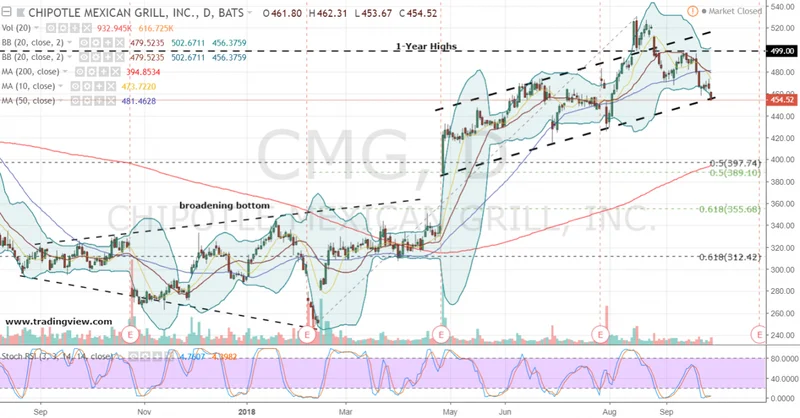
It’s like they built this amazing Jenga tower on a solid base of millennial loyalty. Then, piece by piece, they started pulling out the financial stability blocks from their customers' lives—student loans, rent, inflation. At the same time, they kept adding heavier, more expensive blocks to the top of their own tower in the form of price increases. Did they really think it wouldn't start to wobble? What did they expect would happen?
This is a bad strategy. No, 'bad' doesn't cover it—this is a spectacular failure to read the room. You can't build a brand on being the accessible, fresh alternative and then price yourself into the "special occasion" category for the very people who built your empire. They aren't just facing "macroeconomic pressures"; they're facing the consequences of their own pricing arrogance. They assumed the loyalty was unconditional, and now they're finding out it was very, very conditional. The condition was a sub-$10 lunch.
It's Not the Economy, It's You
The part that really drives me crazy is the complete lack of self-awareness. The earnings call sounds like a lament about the state of the world, not an admission of a flawed business model. They talk about their younger customers being "particularly challenged" as if it's some abstract anthropological phenomenon they're observing from a distance.
These aren't abstract data points. They're the people who used to eat at your restaurant two or three times a week. The ones whose paychecks haven't kept up with the cost of, well, everything. I saw a menu the other day where a cup of queso was almost five dollars. Five dollars for a tiny cup of melted cheese. It's just...insulting.
The narrative that Chipotle is a victim of the economy is a convenient fiction. The truth is, they flew too close to the sun. They believed their own hype. They thought the brand was so powerful, so culturally embedded, that they could detach their prices from the economic reality of their core audience.
And for a while, it worked. They outperformed everyone else. But gravity always wins. The "sluggish consumer environment" didn't just appear out of nowhere. It's been building for years, and Chipotle chose to ignore it, convinced that people would always find a way to pay for their cilantro-lime rice.
Now they’re staring at a third straight quarter of declining traffic and a stock price in freefall, and they’re still trying to spin it. "They're just coming less often." It’s an incredible statement, because it implies the customer will eventually come back when things get better. But will they? Once you've broken the habit, once you've realized you can make a burrito bowl at home for a third of the price, is the magic still there? Then again, maybe I'm the crazy one here. Maybe people really are just waiting for the all-clear signal to go drop $18 on lunch again.
I doubt it.
So, the Burrito Bubble Popped
Let's stop pretending this is some great mystery. This isn't about "macroeconomic headwinds." It's about a company that got greedy and forgot who its customers are. Chipotle isn't a victim here. It’s a textbook example of a brand that became so enamored with its own "premium" status that it priced its most loyal fans right out the door. And now they're acting surprised that the room is empty. You can't sell a revolution on "food with integrity" if your customers can no longer afford to buy it. Simple as that.