
I keep seeing these headlines, and they all paint the same bleak picture: "Gen Z Delays Life to Buy a House," "The American Dream is Dead for the Young." A recent Coldwell Banker report puts a staggering number on it: 84% of Gen Z are pushing back marriage, kids, even getting a pet, all for the increasingly faint hope of owning a home.
The data is brutal, let’s be clear. The share of first-time homebuyers has cratered to a record low of 21%. The typical age for that first purchase has climbed to 40. You now need to make around $141,000 a year to afford a median-priced home, while the average salary is about half that. It’s like being invited to a game of Monopoly 40 years late, only to find that all the properties are bought, covered in hotels, and the rent is astronomical. The game feels rigged.
But what if we're reading this map all wrong? What if this isn't a story about a generation failing to achieve an old dream, but one that is actively architecting a new one right under our noses?
The Great Lockout
The traditional ladder to building wealth in America has had the same rungs for nearly a century: get a stable job, buy a house, watch your equity grow. That house wasn't just a place to live; it was the financial bedrock for a family, the primary asset to pass down. For millions, that system worked. But for Gen Z, that ladder has been pulled up. They are staring at a system where the price of entry is impossibly high.
This isn’t about a lack of will. The same report shows that 97% of Gen Z want to own a home someday. They’re taking on side hustles, moving back in with their parents, and considering fixer-uppers in less-than-ideal locations. They are doing everything the previous generations did, only the math no longer adds up. The goalposts haven't just been moved; they've been launched into a different orbit.
So, when a generation is systematically locked out of the primary vehicle for wealth creation, what happens? Do they just give up? Do they resign themselves to a lifetime of renting and economic instability? The headlines would have you believe so. But that’s a failure of imagination. Because something else is happening—something far more interesting and, I believe, far more powerful.
The New Architecture of Value
When I read a completely different report last week, PacSun taps Gen Z and Gen Alpha as advisors, the pieces clicked into place. When I first saw the data, I honestly just sat back in my chair, speechless. It wasn't about the clothes. It was about the strategy. PacSun has created a youth advisory council with Gen Z and even Gen Alpha members, bringing them directly into the decision-making process. They aren't just selling to them; they are building with them.
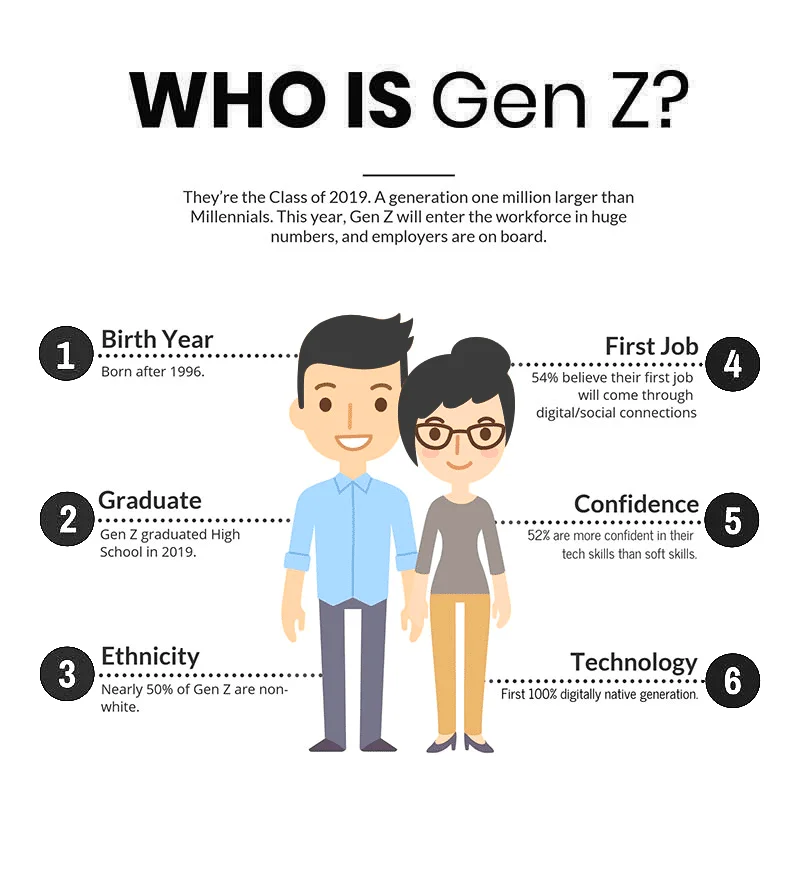
Here’s the key insight, from a TikTok creator with 12 million followers named Anna Sitar: Gen Z came of age during a pandemic where they had "not a lot of say and control." Her conclusion is the thunderclap that explains everything: "Something we know we have control over now is where we put our money and attention."
This is it. This is the signal in the noise.
This is a generation that intuitively understands that in a world where physical assets are out of reach they can build immense value through networks and influence and direct engagement—it's a fundamental rewiring of what 'assets' even mean in the 21st century. They're leveraging what you might call 'social capital'—which is really just a fancy way of saying their collective voice, attention, and trust is now a currency more powerful than the cash they're struggling to save.
They can’t afford the down payment on a house, but they can collectively make or break a billion-dollar brand with a single viral video. They can’t get a 30-year mortgage, but they can demand a seat at the table in corporate boardrooms, influencing product design and marketing from the inside out. They are trading passive, long-term asset accumulation for active, immediate participatory power. Is it a conscious trade? Maybe not for everyone. But it's the emergent behavior of a system under pressure. It's evolution in real-time.
Of course, this comes with a profound responsibility, both for the generation wielding this power and the companies trying to court them. This can't be a cynical marketing ploy. Authenticity is the price of admission. Brands that try to fake it will be sniffed out and discarded instantly. But for those that genuinely listen and co-create, the loyalty will be immense.
They're Not Buying the House; They're Redesigning the Neighborhood
Let's stop mourning the death of an old dream and start paying attention to the birth of a new reality. The narrative that Gen Z is "delaying life" misses the entire point. They aren't paused; they are pivoting. They are building wealth and influence in ways that legacy systems and financial reports aren't even equipped to measure yet.
This isn't a story of economic defeat. It's the origin story of an economic revolution, where value is defined not by what you own, but by what you can influence. They were locked out of the old game, so they're writing the rules for a new one. And frankly, it's about time.